
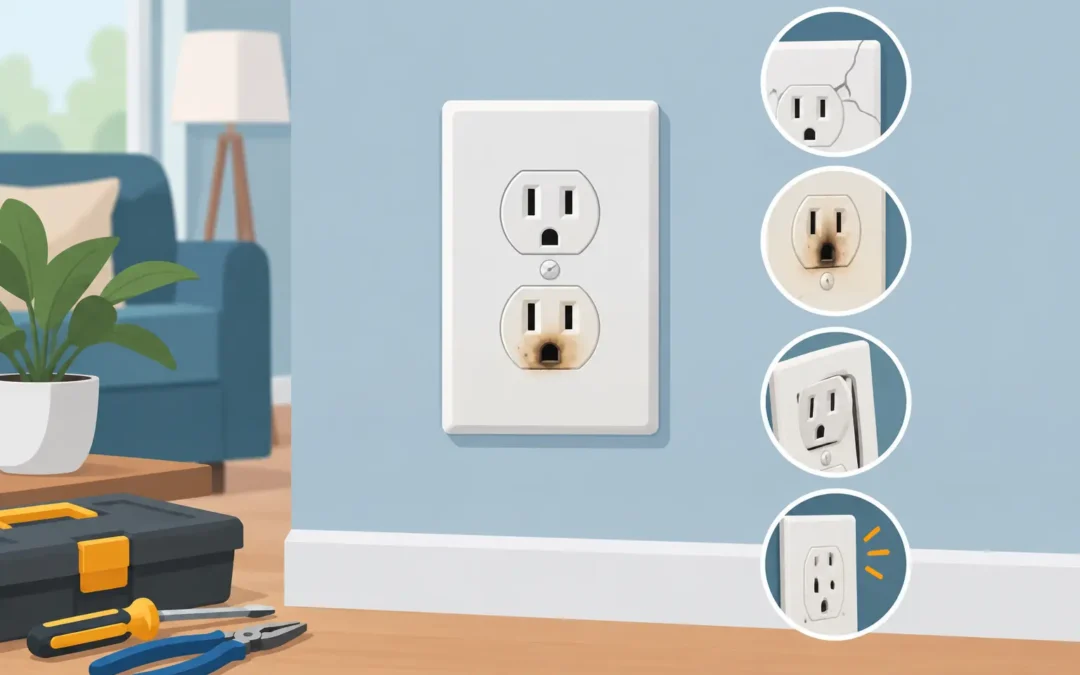
A wall outlet is easy to ignore until a plug falls out, a charger stops working, or the cover plate feels warm. Knowing when do outlets need replacement can prevent minor electrical trouble from becoming a shock, fire, or costly service interruption. Some outlet problems are simple, but any sign of heat, sparking, damage, or repeated tripping deserves prompt attention from a licensed electrician.
When Do Outlets Need Replacement? Start With These Signs
An outlet does not have to look broken to be unsafe. Internal parts can wear out after years of use, especially in high-use areas such as kitchens, offices, workshops, retail spaces, and utility rooms. The following warning signs are practical reasons to have an outlet inspected and, where needed, replaced.
Plugs fall out or fit loosely
A plug should sit firmly in an outlet. If it slips out under its own weight or only works when held at an angle, the metal contacts inside may be worn. Loose contacts can create arcing, which produces heat where the plug meets the receptacle.
Do not try to solve this by bending plug prongs or forcing a plug into place. Replace the outlet before continuing to use it regularly, particularly for appliances, power bars, computers, or equipment that draws higher current.
The outlet is warm, discolored, or smells burnt
A warm outlet, brown marks on the faceplate, melted plastic, smoke stains, or a burnt odor are urgent warning signs. Shut off power to that circuit at the electrical panel if it is safe to do so, unplug connected devices, and call an electrician. Do not use the outlet again until the cause has been identified.
Heat may come from a failed receptacle, loose wiring connection, overloaded circuit, damaged plug, or an issue elsewhere in the circuit. Replacing the outlet may be part of the repair, but a proper inspection matters because the outlet is not always the only problem.
It sparks, buzzes, or crackles
A very small, brief spark can occur when a device is plugged in or unplugged while switched on. Repeated, large, yellow, or blue sparks are different. So are buzzing, crackling, or popping sounds from the outlet.
These symptoms can point to loose connections or arcing inside the box. Turn off the circuit and arrange service as soon as possible. Electrical noises are not something to monitor for a few weeks to see if they disappear.
The outlet has physical damage
Cracked faceplates, chipped receptacles, exposed wiring, missing cover plates, or broken slots leave live components less protected. In homes, this is especially concerning around children, pets, and cleaning activity. In commercial and industrial settings, damage can also result from carts, tools, machinery, moisture, and frequent plug changes.
The faceplate may be a simple replacement. If the receptacle itself is cracked, loose in the wall, or damaged by impact, it should be repaired correctly by a qualified electrician.
Older Outlets May Need an Upgrade, Not Just a Swap
Replacement is sometimes about safety improvements rather than a visible fault. Older properties may still have two-slot outlets without grounding, outdated receptacles, or insufficient outlets for how the space is used today.
Two-slot outlets do not provide an equipment grounding path for modern three-prong plugs. Adapters are not a reliable long-term answer. Depending on the existing wiring and the condition of the circuit, an electrician may recommend installing a grounded outlet, adding ground-fault protection, or upgrading the circuit. The correct option depends on the building’s wiring, panel capacity, and applicable electrical requirements.
Kitchens, bathrooms, laundry areas, garages, basements, exterior areas, and other locations near water often need special protection. Ground-fault circuit interrupter outlets, commonly called GFCIs, are designed to quickly cut power when they detect a ground fault. If a GFCI will not reset, trips repeatedly, has no power, or is outdated, it should be tested by an electrician rather than bypassed or replaced without checking the circuit.
For bedrooms and living areas, arc-fault protection may also be appropriate depending on the circuit and local requirements. Modern protective devices help reduce risk, but they must be installed and connected properly to work as intended.
Repeated Tripping Is a Clue, Not an Annoyance
If a breaker trips whenever you use one outlet or a GFCI trips when a particular appliance is connected, the outlet may be defective. It could also mean the appliance has a fault, the circuit is overloaded, or wiring has been damaged.
Avoid repeatedly resetting a breaker or GFCI without understanding why it tripped. A single reset after an obvious overload can be reasonable. Ongoing tripping is a service call, particularly if the issue affects essential equipment, refrigeration, office systems, pumps, or machinery.
For businesses, repeated outlet faults can create downtime and damage customer confidence. A licensed electrical contractor can trace the issue, repair the failed component, and recommend whether the circuit needs additional capacity or dedicated outlets for equipment with higher demand.
Replacement Makes Sense During Renovations and New Equipment Installs
Outlets should also be reviewed when the room changes. A kitchen renovation, finished basement, office fit-out, retail upgrade, workshop addition, or new appliance installation can all change the electrical demand in a space.
Extension cords and power bars are useful for temporary needs, but they should not become permanent wiring. If several power bars are daisy-chained, cords run beneath rugs, or one outlet supports multiple high-draw devices, it is time to add properly installed receptacles or dedicated circuits.
This is common with home offices, entertainment systems, commercial point-of-sale equipment, server racks, coffee machines, microwaves, space heaters, and workshop tools. The answer is not always to replace an outlet. Sometimes the right repair is a new circuit, a different outlet type, or an electrical panel upgrade that supports the added load safely.
Can You Replace an Outlet Yourself?
Replacing an outlet may look straightforward, but the work involves live electrical wiring, correct conductor identification, secure connections, proper grounding, and testing. Older homes can add complications such as aluminum wiring, damaged insulation, crowded electrical boxes, ungrounded circuits, or previous unprofessional repairs.
A licensed electrician can determine whether the outlet is the actual failure point and make sure the replacement is rated, wired, and protected correctly. This is particularly worthwhile for outlets showing heat damage, outlets near water, commercial locations, and any circuit that trips or behaves unpredictably.
What to Do Before the Electrician Arrives
If an outlet is hot, smoking, sparking repeatedly, or smells burned, stop using it immediately. Unplug devices only if doing so is safe, turn off the associated breaker if you can identify it, and keep people away from the area. If there is active smoke or fire, contact emergency services first.
For a non-emergency issue, make a note of what was plugged in when the problem occurred and whether other outlets or lights on the same circuit are affected. That information helps the electrician diagnose the issue faster and avoid unnecessary disruption.
Eclipse Electrical Services handles outlet repairs, replacements, safety inspections, circuit upgrades, and urgent electrical faults for homes and businesses across Toronto and the GTA. If an outlet is loose, damaged, hot, unreliable, or no longer suitable for the equipment you use, have it checked before the problem becomes more serious. A prompt repair is usually far easier than dealing with damaged wiring or an unexpected shutdown later.