
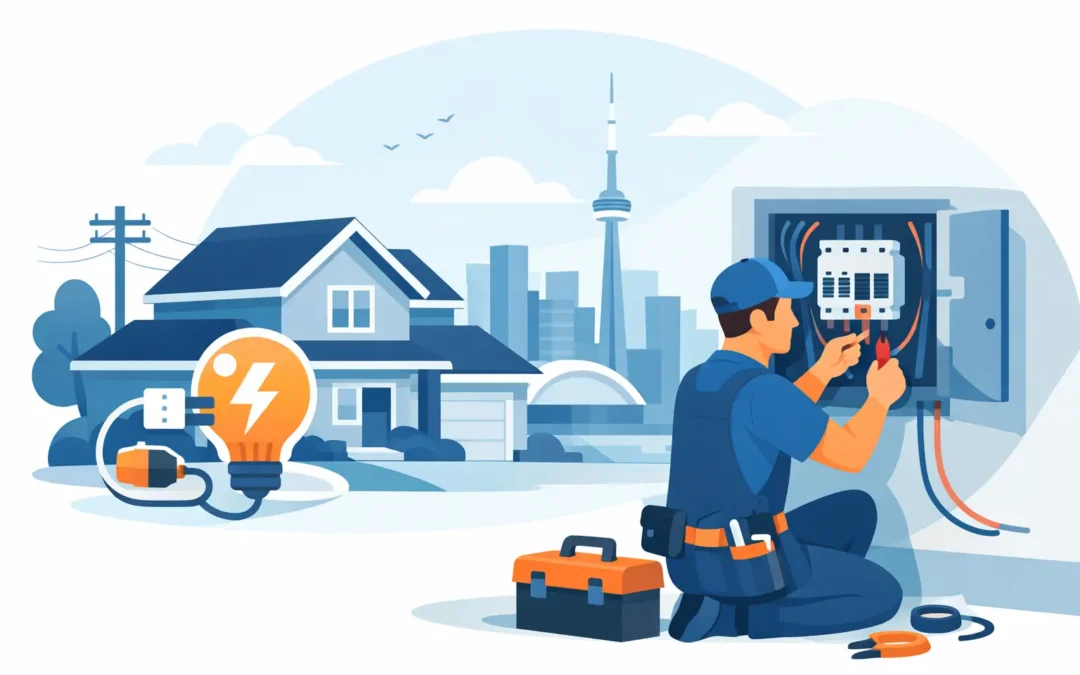
A breaker that keeps tripping, lights that flicker for no clear reason, or an outlet that suddenly stops working usually means one thing – you need residential electrical repairs Toronto homeowners can count on, and you need them handled properly. Small electrical problems have a way of turning into bigger and more expensive ones when they are ignored, especially in older homes or after renovations, appliance upgrades, or seasonal changes in power use.
For most homeowners, the real issue is not just the fault itself. It is figuring out whether the problem is minor, whether it is a safety risk, and whether the person coming to fix it will actually solve it without wasting time or money. That is why repair work needs to be straightforward, licensed, and done with a clear understanding of how homes in Toronto are wired, used, and updated.
What residential electrical repairs in Toronto usually involve
Residential electrical repair is a broad category. Sometimes it is a simple fix, like replacing a damaged switch or repairing a dead receptacle. Other times, the visible symptom is only the surface problem. A buzzing panel, partial power loss, hot outlets, or repeated breaker trips can point to overloaded circuits, loose connections, aging components, or previous work that was never done properly.
In many Toronto homes, repair calls often involve a mix of old and new electrical systems. You may have an older panel supporting modern appliances, added lighting, home office equipment, air conditioning, or EV charging plans. The system might still function most of the time, but under heavier use, weak points start to show. That is where proper diagnosis matters. Replacing one outlet will not fix a circuit issue, and resetting a breaker is not a repair if the breaker keeps failing for a reason.
A solid repair visit should start with identifying the actual source of the fault, not guessing. That includes checking the affected devices, the circuit path, load demands, and the panel when needed. It is the difference between a quick patch and work that lasts.
Signs you should book residential electrical repairs Toronto right away
Some electrical issues can wait a day or two for a scheduled appointment. Others should be treated as urgent. If you smell burning near a panel, switch, or outlet, that is not something to watch and hope for the best. The same goes for sparks, visible scorching, crackling sounds in walls or devices, or any sign that wiring is overheating.
Frequent breaker trips are also worth taking seriously. One trip after plugging in too many devices might be obvious. Repeated trips with normal household use usually mean the circuit is overloaded, there is a fault somewhere on the line, or the breaker itself is failing. None of those issues improve on their own.
Flickering lights can be another example of an issue that depends on the pattern. A single loose bulb is one thing. Lights dimming when major appliances start, multiple rooms flickering together, or lights behaving erratically without explanation may indicate wiring, connection, or service problems. If the issue is happening in more than one area of the home, it is time to have it checked.
Outlets that feel warm, switches that stop responding consistently, and GFCI devices that keep tripping without a clear cause are all common warning signs. They are not always emergencies, but they should not be dismissed as normal wear and tear either.
Why older homes need a different repair approach
Toronto has a large housing stock with a wide range of electrical ages and standards. In older homes, repairs are rarely just about replacing a single failed device. Wiring methods, panel capacity, grounding, and previous upgrades all affect what a safe repair looks like.
For example, a homeowner may call about one dead outlet, only to learn that several outlets on the same circuit were altered over the years. Another home may have lighting added during a basement renovation, but the circuit feeding it was never meant to carry the extra load. In these cases, the repair needs to account for the home as it actually exists now, not just how it was originally built.
That does not always mean a major upgrade is required. Sometimes a targeted repair is enough. Other times, the most cost-effective move is to fix the immediate fault and address a larger weakness before it causes another service call. A dependable electrician should be honest about that difference. Not every issue needs a full overhaul, but some do need more than a quick part replacement.
Common home electrical repairs and what causes them
A lot of residential service calls come down to a handful of recurring problems. Dead outlets are often caused by tripped GFCIs, loose wiring, failed receptacles, or upstream faults on the same circuit. Faulty switches can wear out over time, especially in high-use areas like kitchens, bathrooms, and entryways.
Breaker problems are another frequent issue. Sometimes the breaker is doing its job and tripping because the circuit is overloaded. Other times the breaker itself has become unreliable. Panel issues can also show up as inconsistent power, nuisance tripping, or circuits that no longer hold under normal load.
Lighting repairs are common as well, particularly where fixtures were installed incorrectly or where older wiring connections begin to loosen. Exterior lighting, bathroom fans, and ceiling fans also tend to generate service calls because they combine wiring, switching, and in some cases moisture exposure or movement.
Then there are the repair calls that follow renovations or new appliance installations. A new microwave, range, laundry setup, or workshop equipment can expose limitations in circuits that were already close to capacity. Homeowners often first notice the problem as flickering, tripping, or power loss, even though the root issue is system demand.
Repair now or upgrade at the same time?
This is where practical advice matters. If the problem is isolated and the rest of the system is in good shape, a repair may be all you need. There is no reason to oversell a bigger job when a straightforward fix will do the job safely.
But there are situations where pairing a repair with an upgrade makes sense. If a panel is outdated and struggling to support current household use, repeated repairs on connected circuits may only postpone the real solution. If kitchen or bathroom circuits are not keeping up with modern appliance loads, adding dedicated circuits may be smarter than chasing recurring faults. If you are already opening walls during remodeling, that can also be the right time to address wiring that is aging or undersized.
The trade-off is budget versus long-term reliability. A smaller repair may cost less today, but if it leaves known strain points in place, you may be paying for another call sooner than expected. A good contractor should explain both options clearly so you can make an informed decision based on the condition of the home and how you use it.
What to expect from a professional repair visit
A proper residential electrical repair visit should feel organized and clear from the start. The electrician should ask detailed questions about what is happening, when it started, and whether the issue affects one area or several. That information matters because electrical faults often reveal themselves through patterns.
On site, testing and inspection should come before replacement. Swapping parts without confirming the cause is how homeowners end up paying twice for the same issue. Once the fault is identified, the repair should be explained in plain language, along with any safety concerns or related issues found nearby.
If the problem requires urgent attention, you should be told directly. If it can be scheduled as part of a broader repair or upgrade plan, that should be explained just as clearly. The goal is not to complicate the job. It is to solve it properly and leave the system safer and more reliable than it was before.
For homeowners who need fast, licensed help, that is where a company like Eclipse Electrical Services stands out. The value is not just in getting someone to the property quickly. It is in getting a repair completed by a contractor who understands how to troubleshoot efficiently, work safely, and fix the issue without unnecessary delay.
Choosing the right electrician for home repair work
Residential repairs are not just about technical skill. They are also about trust. You are inviting someone into your home to work on a system that affects safety, comfort, and daily routine. That is why licensing, responsiveness, and clear communication matter as much as the repair itself.
A good electrician should be able to handle both the obvious fix and the hidden issue behind it. They should also be realistic about timing, cost, and whether the job is a simple repair or part of a bigger problem. Homeowners usually do not need a sales pitch. They need a straight answer, quality workmanship, and a repair that holds up.
If something in your home is sparking, tripping, buzzing, overheating, or simply not working the way it should, waiting rarely improves the situation. The right move is to get it checked, get the cause identified, and get the repair done before a minor issue becomes a serious one.
Electrical problems tend to give you a warning before they become a bigger disruption. Paying attention to those signs early is one of the simplest ways to protect your home and avoid a more expensive repair later.