
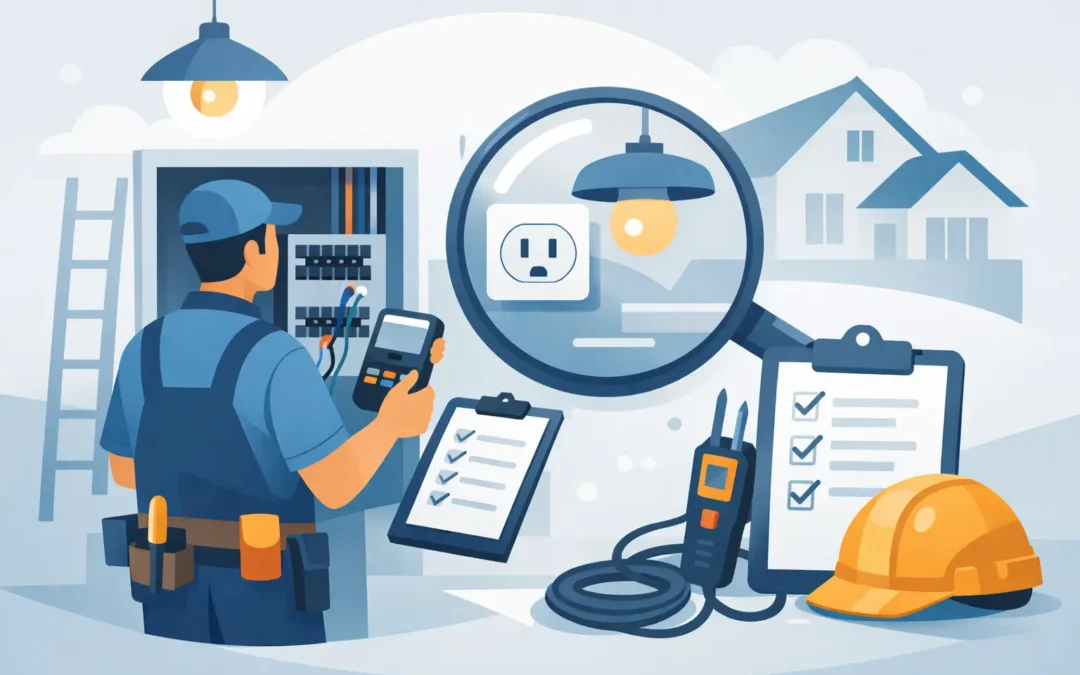
An electrical inspection rarely fails because of one dramatic problem. More often, it gets delayed by a handful of avoidable issues – missing labels, blocked panels, unfinished connections, the wrong breaker size, or work that was done without the right paperwork. If you are wondering how to prepare for electrical inspection, the goal is simple: make the system safe, make the work accessible, and make it easy for the inspector to verify what was installed.
That applies whether you are a homeowner finishing a basement, a landlord upgrading service equipment, or a business owner getting ready for a tenant fit-out sign-off. A little preparation can save a return visit, extra labor, and time lost waiting for approval.
How to prepare for electrical inspection before the visit
Start by confirming what the inspection is actually for. A service upgrade inspection is not the same as a final inspection for a renovation, and a rough-in inspection is different from a completed install. The inspector will be looking at different parts of the system depending on the stage of work, so you need to know what is expected to be complete and what still needs to remain open for review.
If permits are required in your area, make sure they are in place before the inspection date. That sounds obvious, but it is one of the most common reasons work gets held up. Have permit details, job scope, and any approved plans available on site. For commercial and industrial spaces, it also helps to keep panel schedules, load calculations, and equipment specs nearby if the work involves new circuits, machinery, or switchboard changes.
Access matters more than many people realize. Inspectors need to see the panel, junction boxes, disconnects, receptacles, lighting circuits, service equipment, and any newly installed wiring. If a panel is blocked by shelving, stock, drywall scraps, or stored materials, that alone can create a problem. Clear a safe working space around all electrical equipment before the appointment.
It is also worth doing a basic walkthrough of the property as if you were the inspector. Look for open boxes, missing cover plates, hanging fixtures, exposed conductors, loose devices, or unfinished terminations. If something looks incomplete, it probably needs attention before inspection day.
What inspectors usually look for
Electrical inspections are about safety and code compliance, but the practical focus is straightforward. The inspector wants to verify that the installation is correct, properly protected, and suitable for the intended use.
That usually includes checking whether breakers and wire sizes match, grounding and bonding are properly installed, boxes are sized correctly, cables are secured and protected, and devices are rated for the environment they are installed in. In wet or damp locations, the requirements may be stricter. In commercial spaces, emergency systems, dedicated equipment circuits, and labeling often get more attention than they do in a typical home.
For residential work, common inspection points include GFCI and AFCI protection, smoke and carbon monoxide alarm requirements where applicable, proper box fill, tamper-resistant receptacles, and panel labeling. For a service upgrade, the inspector may also review grounding electrodes, meter base installation, service mast details, and the condition of the main panel.
In a business or industrial setting, the same safety fundamentals apply, but the stakes are higher because electrical issues can affect operations, staff safety, and insurance compliance. If you are preparing a retail unit, office, warehouse, or production space, make sure the installed system matches the approved scope of work. Last-minute changes that were not documented can create delays.
Common problems that cause failed or delayed inspections
Most failed inspections come down to incomplete work, poor access, or details that were missed during installation. A panel directory that is vague or missing may seem minor, but it can still be flagged. The same goes for missing bonding jumpers, unsupported cable, overfilled boxes, unprotected conductors, or unused openings left uncovered in a panel or enclosure.
Another common issue is calling for inspection too early. If the work is not fully ready for the inspection stage, the visit can be wasted. Rough-in inspections, for example, typically require wiring to be installed and visible before insulation or finishes cover it. Final inspections usually require devices, fixtures, covers, and equipment to be installed and operational. It depends on the scope, but the key is not to guess.
DIY work can also create problems if it was not done to code or completed without the required approvals. Even small residential jobs can run into trouble if splices are hidden, wire types are mixed incorrectly, or extensions were added from older circuits without proper evaluation. If there is any doubt, it is better to have a licensed electrician review the work before the inspector arrives.
A practical checklist for homes and businesses
The best approach is to prepare in layers. First, make sure the paperwork and inspection stage are correct. Next, confirm the installation is complete for that stage. Then focus on access, labeling, and visible finish details.
Walk through the site and check that all electrical boxes are accessible, all cover plates are installed, all fixtures are mounted securely, and all breakers are identified clearly. Confirm that no energized parts are exposed and that any temporary wiring has been removed if permanent wiring is now in place. Test receptacles, switches, lighting, and any newly installed equipment so you are not discovering basic functional issues while the inspector is on site.
For properties under renovation, clean the work area. Construction debris, stacked materials, and locked utility rooms slow everything down. For occupied homes or businesses, let the right people know the inspection is happening so access is available to electrical rooms, tenant spaces, basements, or back-of-house areas.
If the project includes special systems like EV chargers, exterior lighting, dedicated HVAC circuits, or commercial kitchen equipment, have the installation information available. Some inspections move quickly. Others involve a closer look at manufacturer requirements and circuit protection.
When to bring in a licensed electrician
If the project involves panel work, service upgrades, commercial fit-outs, or troubleshooting corrections from a previous failed inspection, this is not the place to cut corners. An experienced electrician can usually spot code issues before they become expensive delays.
That is especially true when older wiring is involved. A renovation can expose existing conditions that were never part of the original plan – undersized service, damaged insulation, missing grounding, double-tapped breakers, or circuits that were extended poorly over time. In those cases, preparing for inspection is not just about cleaning up the site. It is about making sure the system is actually safe to approve.
For business owners and facility managers, there is also a cost question. If a failed inspection delays opening day, tenant turnover, or equipment startup, the indirect cost is often much higher than the repair itself. Having a licensed contractor review the job in advance is often the faster and cheaper route.
How to prepare for electrical inspection after corrections
If an inspector has already identified deficiencies, treat the correction list as a job scope, not a suggestion. Each item should be addressed fully and rechecked before the follow-up visit. Partial fixes tend to create repeat issues, especially when one code problem affects another part of the installation.
Keep the correction notice available and make it easy to show what was changed. If access was a problem during the first visit, correct that too. There is no point fixing wiring details if the inspector still cannot get to the equipment safely.
This is also the time to ask practical questions. If something on the deficiency report is unclear, get clarification before the reinspection. Guessing at a code correction can cost more time than the original issue.
Final prep on inspection day
On the day of the inspection, make sure someone knowledgeable is available on site. That does not always need to be the property owner, but it should be someone who can open rooms, answer basic questions about the work, and coordinate with the electrician if needed.
Turn on power where appropriate and safe to do so, unless the inspector or utility process requires otherwise. Have ladders, keys, plans, permits, and equipment areas ready if the project calls for them. If pets, tenants, staff, or deliveries could interfere with access, plan around that in advance.
Preparation does not need to be complicated. It needs to be thorough. Safe installation, clear access, complete work, and proper documentation are what move an inspection along. If you are not sure the job is ready, having it checked by a licensed contractor before the appointment can save you a failed visit and get the project over the line faster. For property owners who want it handled properly the first time, that is usually the best move.