
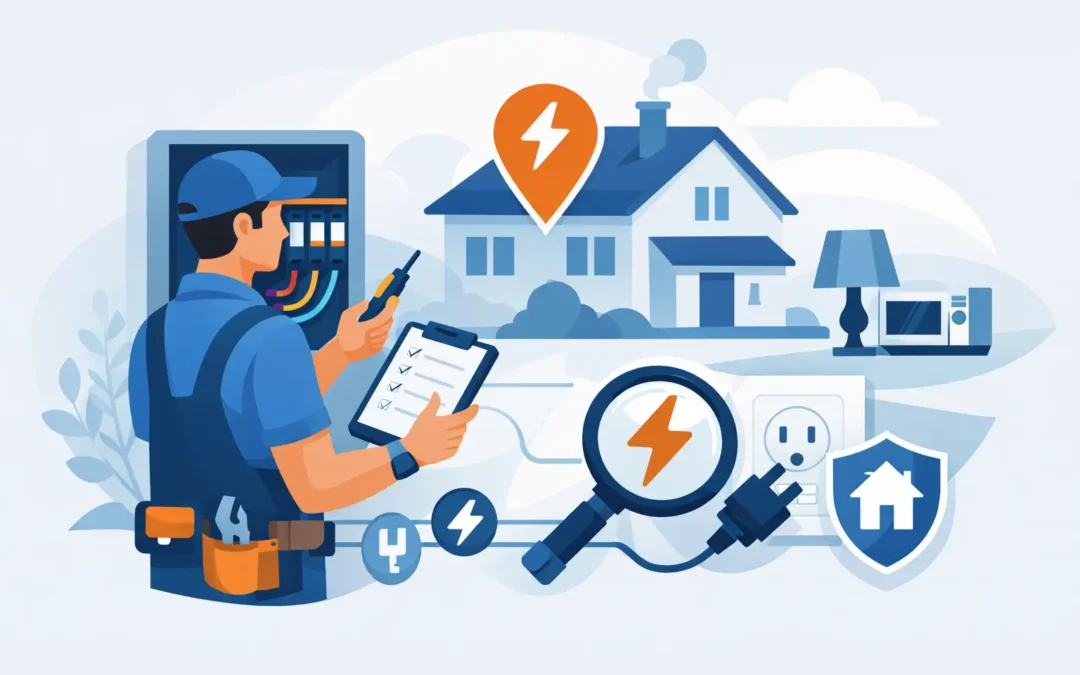
A flickering light or a warm outlet usually gets ignored until it turns into a bigger problem. That is exactly why a solid home electrical inspection guide matters. A few visible warning signs can tell you a lot about the condition of your wiring, panel, outlets, and overall electrical safety before you end up dealing with outages, damaged equipment, or a real fire risk.
This is not a substitute for licensed electrical work, and it should not be treated like one. But if you own a home, manage a rental, or are getting ready for a renovation or sale, knowing what to look for helps you catch problems early and make better decisions about repairs and upgrades.
What a home electrical inspection guide should help you find
A useful home electrical inspection guide is not about turning a homeowner into an electrician. It is about helping you identify obvious red flags, understand where the common failure points are, and know when the issue is minor versus when it needs immediate professional attention.
Most electrical problems do not start with a complete power failure. They usually start small – a breaker that trips once in a while, a switch that crackles, a garage receptacle that never seems to work properly, or extension cords doing jobs the house wiring should be handling. Those are the kinds of signs worth paying attention to.
A proper inspection by a licensed electrician goes much deeper than a visual check. It may include panel assessment, circuit testing, grounding review, code-related concerns, and checking whether past work was done correctly. Still, even a homeowner-level review can tell you whether the system looks healthy or overdue for attention.
Start with the electrical panel
The panel is where a lot of bigger issues show up first. Open the panel door only if it is safe and accessible, and do not remove the cover. What you are looking for is basic condition, not internal diagnosis.
Check whether the breakers are labeled clearly. If the labeling is missing or inaccurate, that is not a hazard by itself, but it makes troubleshooting slower and more dangerous during an emergency. Look for rust, signs of moisture, scorch marks, or breakers that appear damaged or sit unevenly.
If breakers trip regularly, that deserves attention. Sometimes the cause is simple, like too many high-draw appliances on one circuit. Sometimes it points to a short, ground fault, aging wiring, or a panel that can no longer keep up with the property’s electrical demand. It depends on the age of the system and what has been added over the years.
Older homes may also have undersized service for modern usage. If you have added air conditioning, EV charging, new kitchen equipment, or finished basement loads, the original panel may be stretched beyond what it was meant to handle.
Signs the panel may need an upgrade
If you hear buzzing near the panel, notice heat, smell something burnt, or see repeated breaker failures, stop there and call a licensed electrician. Those are not wait-and-see issues.
A panel upgrade may also make sense when the panel is full, when circuits have been doubled up improperly, or when renovations require additional capacity. Not every crowded panel is unsafe, but many older ones leave little room for safe expansion.
Check outlets, switches, and visible devices
Walk through the home and use your senses. Outlets and switches should feel secure, work consistently, and stay cool under normal use. If a receptacle is loose, discolored, cracked, or warm to the touch, it should be inspected.
A switch that sparks lightly once in a while may or may not be serious. A small internal arc can happen in some cases, but repeated sparking, popping sounds, buzzing, or unreliable operation is a sign that the device or the wiring behind it may be failing.
Pay close attention to kitchens, bathrooms, laundry areas, garages, basements, and exterior receptacles. These locations should typically have GFCI protection because water and electricity are a bad mix. If those outlets are standard older receptacles, protection may be missing or outdated.
You should also test whether GFCI and AFCI devices respond properly if the home has them. A device that will not reset or will not trip when tested needs attention. Protection devices are only useful when they actually function.
Look for warning signs in lighting and daily use
Lighting problems often get written off as a bulb issue, but patterns matter. If lights dim when appliances start, if certain fixtures flicker repeatedly, or if one room seems inconsistent, the circuit may be overloaded or have a connection problem.
Watch for recessed lights that cut out and come back later. That can happen when a fixture overheats and its thermal protection kicks in. Sometimes the fix is straightforward. Sometimes it points to insulation contact issues, wrong lamp types, or aging fixtures.
Extension cords are another clue. Using one temporarily is normal. Using several every day because there are not enough outlets usually means the electrical layout no longer matches how the home is being used. That is not just inconvenient – it often leads to overloaded circuits and unsafe setups.
Wiring condition matters more than most people realize
You will not see most of the home’s wiring, but you can still pick up clues. In unfinished basements, utility rooms, attics, or garages, visible wiring should look orderly, secured, and protected where needed. Exposed splices, damaged insulation, hanging cable, or amateur-looking additions are all reasons to have the system checked.
Older wiring types deserve special attention. Age alone does not automatically mean danger, but older systems were installed for different household loads and different code standards. If the home has outdated wiring methods or a long history of patchwork changes, an inspection is worth it before buying, renovating, or adding major electrical equipment.
DIY electrical work is another common problem. Homeowners often mean well, but shortcuts behind walls or inside junction boxes can stay hidden for years. When something looks improvised, mixed, or unfinished, it is better to have it reviewed than assume it is fine.
Don’t ignore grounding and outdoor safety
Grounding and bonding are not the most visible parts of an electrical system, but they are critical for safety. Problems here are easy to miss without testing, which is one reason a professional inspection has real value.
From a homeowner’s perspective, pay attention to outdoor receptacles, exterior lighting, garage wiring, and any power near decks, pools, or landscaping. Weather exposure, physical wear, and moisture create extra stress on electrical components. Covers should be intact, fixtures should be secure, and nothing should look corroded or damaged.
If your property has detached structures, older sheds, or added outdoor circuits, those areas are especially worth checking. They are often modified over time and not always to the same standard as the main house.
When to schedule a professional inspection
A visual review is useful, but some situations call for a licensed electrician right away. If you are buying an older home, planning a remodel, installing major appliances, adding an EV charger, experiencing repeated breaker trips, or seeing any sign of heat or burning, schedule an inspection.
The same applies if your insurance company requests electrical updates, if the property has had flood or water damage, or if you simply do not know the condition of the system. Waiting can be more expensive than dealing with a problem early, especially when hidden issues surface in the middle of a renovation or emergency repair.
For homes in Toronto and the GTA, older housing stock and decades of renovations can create a mix of old and new electrical work in the same property. That does not always mean something is wrong, but it does mean assumptions are risky.
A practical inspection mindset
The best use of this home electrical inspection guide is simple: look for patterns, not just isolated annoyances. One dead outlet may be a small repair. A dead outlet, flickering lights, frequent breaker trips, and visible DIY wiring together tell a different story.
Good electrical systems tend to be quiet, stable, and easy to trust. When a home’s electrical starts giving off warnings, it usually keeps doing so until someone addresses the cause properly. If anything you find looks damaged, overheated, or unreliable, get it checked by a licensed electrician and deal with it before it becomes urgent.
A safe home is rarely about one big dramatic fix. More often, it comes from catching the ordinary warning signs early and taking them seriously.