
A warm outlet, a breaker that keeps tripping, or lights that dim when an appliance starts may seem like small annoyances. They can also be early signs of home electrical hazards that deserve prompt attention. Electrical problems often develop behind walls, inside panels, or at connections you cannot see. Acting early can prevent equipment damage, electrical shock, and fire.
The right response depends on the symptom. A single bulb flickering may be a loose bulb or failing fixture. Repeated flickering across several rooms, burning smells, sparking, or a hot electrical panel are not wait-and-see issues. Shut off power where it is safe to do so, keep people away from the area, and call a licensed electrician.
Home Electrical Hazards That Need Attention
Hot, discolored, or loose outlets
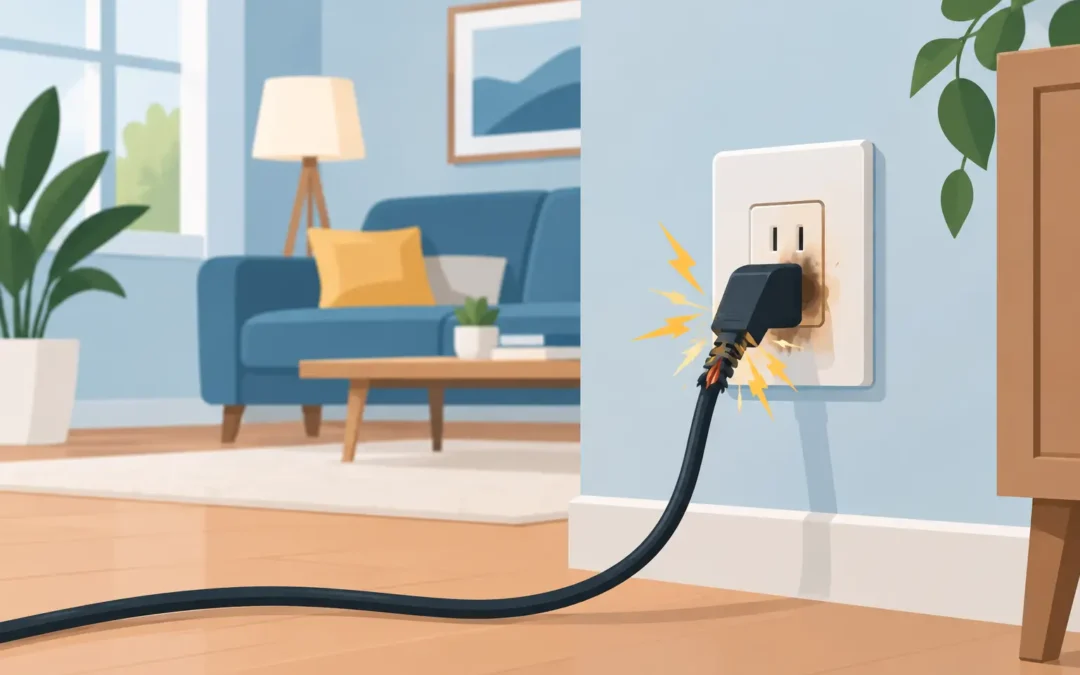
Outlets and switches should not feel hot during normal use. A little warmth from a plugged-in charger is different from heat in the outlet cover, plug, switch, or wall. Heat can point to a loose connection, overloaded circuit, damaged wiring, or a worn receptacle. Brown marks, melted plastic, buzzing, or a burning odor make the concern more urgent.
Do not keep using an outlet that shows these signs. Unplug devices carefully if it is safe, avoid touching damaged components, and turn off the circuit at the panel if you know which breaker controls it. Replacing the outlet alone may not solve the problem if the wiring or connection behind it has been damaged.
Breakers that trip repeatedly
A circuit breaker trips to stop wiring from overheating when there is an overload, short circuit, or ground fault. Resetting it once after identifying an obvious overload can be reasonable. For example, a portable heater, microwave, and toaster running on one kitchen circuit may simply exceed its capacity.
A breaker that trips again after you reduce the load should be checked. The same is true if it trips immediately, feels warm, will not reset, or serves critical equipment such as a sump pump, furnace, or refrigerator. Never hold a breaker in place or replace it with a larger breaker to stop nuisance trips. That can allow wiring to carry more current than it was designed to handle.
Flickering or dimming lights
One flickering light may have a loose bulb, an incompatible dimmer, or a fixture issue. But lights that dim when major appliances turn on, flicker in multiple rooms, or become brighter without explanation can indicate a loose connection or a problem with the electrical service.
Pay close attention if the issue affects more than one circuit. A loose neutral connection, panel defect, or service problem can damage sensitive electronics and create a serious safety concern. Document when it happens, which rooms are affected, and what equipment was running. That information helps an electrician diagnose the fault faster.
Sparks, buzzing, and burning smells
A small visible spark when plugging in a device can occur occasionally, especially when the device is switched on. A large, repeated, or yellow-orange spark is different. So are buzzing outlets, crackling switches, smoke, or the smell of hot plastic or burning insulation.
These signs can mean electricity is arcing across a poor connection. Arcing produces intense heat and can ignite nearby materials. Turn off power at the breaker if you can do so without approaching a smoking or damaged panel. If there is active smoke or fire, leave the home and call emergency services. Do not use water on an electrical fire.
Damaged cords and overloaded power strips
Extension cords and power strips are useful for temporary needs, not as permanent wiring. A cord run under a rug, pinched by furniture, wrapped tightly while in use, or exposed to pets and foot traffic can overheat or lose its protective insulation. Damaged cords should be removed from service rather than taped and reused.
Power strips also have limits. High-wattage appliances such as space heaters, portable air conditioners, microwaves, coffee makers, and hair tools should generally be plugged directly into a properly rated wall outlet. Avoid connecting one power strip or extension cord to another. If a room regularly needs extension cords, it likely needs additional outlets or a circuit upgrade.
Water and Electricity Require Extra Care
Bathrooms, kitchens, laundry rooms, basements, garages, and exterior areas need protection against ground faults. Ground-fault circuit interrupter outlets, often called GFCI outlets, are designed to cut power quickly when they detect electricity flowing where it should not.
GFCI protection should be tested according to the manufacturer’s instructions. If an outlet will not reset, repeatedly trips, lacks power near a sink or outdoor area, or shows signs of moisture, do not ignore it. Water can enter outdoor boxes, basement wiring, and electrical panels during leaks or flooding. A wet electrical system needs professional assessment before it is returned to service.
Never handle electrical equipment while standing in water or with wet hands. If water reaches an electrical panel, outlets, or plugged-in equipment, stay clear and contact a qualified electrician and, if needed, emergency services.
An Outdated Panel Can Create Modern Problems
Older homes were not designed around induction ranges, home offices, large televisions, central air conditioning, EV charging, and multiple charging devices. An electrical panel may be overloaded even if the lights still work. Warning signs include a lack of open breaker spaces, frequent tripping, rust or corrosion in the panel, buzzing, warm breakers, or signs that previous work was improvised.
Some panel concerns are not visible to a homeowner. Loose terminations, undersized conductors, incorrect breaker types, and aging internal components require inspection by a licensed professional. A panel upgrade is not always necessary, but it may be the safest and most practical option when adding an EV charger, renovating a kitchen, finishing a basement, or increasing a home’s electrical load.
If your home still uses fuses, has a panel with unclear labeling, or relies on adapters to make old outlets work with modern plugs, schedule an electrical safety inspection. The goal is not to replace equipment unnecessarily. It is to understand the condition and capacity of the system before a minor limitation becomes a dangerous failure.
Warning Signs After Renovations or DIY Work
Electrical issues sometimes appear after walls have been opened, fixtures have been changed, or new appliances have been installed. A switch that controls the wrong fixture, outlets that stop working after a renovation, or breakers that begin tripping after new equipment is added should be investigated.
Do-it-yourself work can look acceptable from the outside while hiding unsafe splices, missing boxes, improper grounding, or overloaded circuits. Electrical installations must meet applicable code requirements and be completed with the right materials. This matters especially in kitchens, bathrooms, basements, and additions, where protection requirements and load calculations are more demanding.
A licensed electrician can trace the circuit, test connections, correct unsafe work, and confirm whether the system can safely support the new load. That is usually less disruptive and less expensive than waiting for a failure behind finished walls.
What Homeowners Can Do Safely
You do not need to open an electrical panel to reduce risk. Keep combustible materials away from heaters and electrical equipment, replace damaged cords, avoid overloading outlets, and make sure electrical panels remain accessible. Labeling breakers clearly can also save time during an urgent situation.
Use smoke alarms on every level of the home and outside sleeping areas, and test them regularly. Carbon monoxide alarms are also essential wherever fuel-burning equipment or an attached garage is present. These devices do not prevent an electrical fault, but they give your household critical warning if a fire or dangerous condition develops.
For anything involving exposed wiring, recurring breaker trips, panel work, new circuits, or water-damaged electrical equipment, call a licensed electrician. Electrical work is not an area where a temporary fix is worth the risk.
When to Call for Emergency Electrical Service
Call for immediate professional help when you notice smoke, fire, a burning smell, a hot panel, electrical shocks, sparking that continues, a fallen power line, or water affecting electrical equipment. Keep people clear of the area and do not attempt repairs yourself.
For homeowners in Toronto and the GTA, Eclipse Electrical Services can assess urgent faults, repairs, panel concerns, and safety issues with licensed, practical service. A quick inspection can turn an uncertain electrical symptom into a clear repair plan and help keep your home safe.