
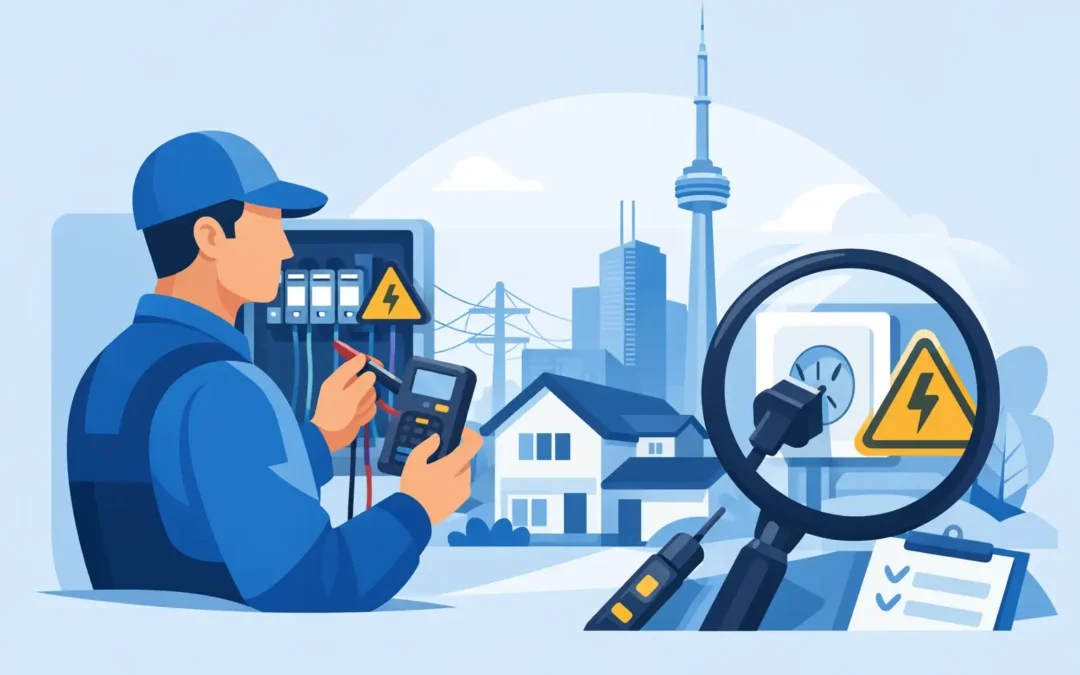
A flickering panel light, a breaker that trips for no clear reason, or an outlet that feels warm is usually where the call starts. For many property owners, an electrical safety inspection Toronto service is less about paperwork and more about getting a straight answer fast – is the system safe, what needs attention, and how urgent is it?
That matters whether you own a house, manage a retail unit, oversee a rental property, or keep a commercial facility running. Electrical issues do not always announce themselves with a full outage. In many cases, the warning signs are small at first, and catching them early can prevent damage, downtime, and expensive emergency repairs.
What an electrical safety inspection in Toronto actually covers
A proper inspection is not a quick look at a panel and a few switches. It should be a practical assessment of the parts of your electrical system that affect safety, performance, and code compliance.
In a residential property, that often includes the main service panel, breakers, visible wiring, outlets, switches, grounding, GFCI protection where needed, lighting circuits, and signs of overload or deterioration. In older homes, the inspection may also focus on outdated components, amateur modifications, or additions that were never wired properly.
In commercial and industrial spaces, the scope can go further. Service equipment, distribution panels, branch circuits, emergency lighting, dedicated equipment circuits, tenant fit-out work, and electrical loads may all need review. Facility managers and business owners often need more than a yes-or-no answer. They need to know which issues are immediate hazards, which are maintenance items, and which upgrades should be planned before they become business interruptions.
That practical approach is what makes the inspection useful. The goal is not to create unnecessary work. It is to identify real problems, explain them clearly, and recommend the right fix.
When to book an electrical safety inspection Toronto property owners often need
Some calls are reactive. Others should be planned.
If you have just purchased a property, are preparing for renovations, or are taking over a commercial lease, an inspection is a smart first step. It gives you a clearer picture of the condition of the system before you invest more money into the space.
It also makes sense to book an inspection if your building shows signs of trouble. Breakers tripping regularly, dimming lights, buzzing sounds, burning smells, sparking outlets, or equipment that loses power unexpectedly are all warning signs. Even if the issue seems minor, it can point to overloaded circuits, loose connections, aging equipment, or hidden faults.
For landlords, property managers, and business operators, inspections are also about risk control. If tenants, staff, customers, or critical equipment rely on that electrical system every day, waiting until something fails is usually the expensive option.
Older properties deserve special attention. Toronto has many homes and commercial buildings with aging infrastructure. Some have had multiple upgrades over the years, and not all of them were done to the same standard. An inspection helps separate what is serviceable from what is no longer safe or practical.
Common issues found during inspections
Every property is different, but certain problems come up again and again.
Overloaded circuits are one of the most common. Modern homes and businesses run more devices, equipment, and HVAC loads than older systems were designed to handle. A panel that was adequate years ago may now be under constant strain.
Loose or damaged connections are another frequent issue. These can create heat, cause intermittent power loss, and in some cases become a fire risk. The problem with loose connections is that they often stay hidden until a symptom shows up somewhere else.
Improper wiring work also appears often, especially after renovations or quick repairs done by unlicensed trades. Reversed polarity, unsafe splices, missing covers, poor grounding, and exposed conductors are not rare. They may still allow power to flow, but that does not make them safe.
In commercial settings, code compliance concerns often come up around panel access, labeling, emergency systems, or circuits added for equipment without proper planning. In industrial environments, the inspection may reveal wear from heavy use, environmental exposure, or load demands that have changed over time.
Not every issue requires major rewiring. Sometimes the right answer is targeted repairs, a breaker replacement, improved circuit distribution, or adding protection where it is missing. Other times, patching old systems repeatedly no longer makes financial sense, and an upgrade is the better long-term move. It depends on the age of the installation, the condition of the components, and how the building is being used.
Why licensed inspection work matters
Electrical work is one area where cheap shortcuts tend to cost more later. A safety inspection should be done by a licensed electrician who understands both current code requirements and the practical realities of older Toronto properties.
That experience matters because the job is not just spotting obvious defects. It is knowing which issues are serious, which conditions are common in certain building types, and what repair path makes sense for the property. A good inspection should leave you with clarity, not confusion.
For business owners and facility managers, that also means less downtime and fewer surprises. If a contractor can identify problems accurately and handle the repair work quickly, you avoid the delay of bringing in one company to inspect and another to fix. For homeowners, it means not being talked into unnecessary replacements when a focused repair will do the job.
This is where a full-service local contractor has an advantage. If the inspection uncovers anything from a faulty outlet to a panel issue or wider system upgrade, the next steps can be handled without turning the process into a drawn-out project.
What to expect during the visit
Most property owners want the same thing from an inspection – a clear process, a realistic timeline, and honest advice.
A typical visit starts with discussing the reason for the inspection. That might be a known issue, a renovation plan, a purchase, a compliance concern, or a general safety check. From there, the electrician reviews the accessible parts of the system, notes visible hazards or deficiencies, and tests where appropriate.
If problems are found, the key is how they are explained. You should be told what the issue is, why it matters, and whether it needs immediate action or scheduled follow-up. In some cases, multiple options may make sense. For example, a small business with an aging panel might be able to continue with minor repairs for now, but if expansion is planned, a full upgrade may be the smarter investment.
That kind of straight recommendation helps customers make decisions based on risk, budget, and timing rather than guesswork.
Choosing the right contractor for electrical safety inspection Toronto work
In a city this size, response time and reliability matter almost as much as technical skill. If you are dealing with a live issue or managing a busy property, you need an electrician who shows up, communicates clearly, and can move from inspection to repair without delay.
Look for a licensed contractor with experience across residential, commercial, and industrial environments if your needs vary by property type. That matters especially for landlords, developers, and property managers who may need one dependable company for multiple buildings or service calls.
It also helps to work with a contractor who understands that not every job is a major project. Sometimes you need a fast inspection to confirm safety and deal with a small fault. Other times, the inspection is the first step in a renovation, fit-out, service upgrade, or maintenance plan. The right contractor can handle both ends of that range.
For property owners across Toronto and the GTA, Eclipse Electrical Services is built around that practical approach – licensed work, fast response, clear recommendations, and repairs or upgrades handled properly the first time.
The cost question and what affects it
Customers often ask what an inspection will cost before they ask what will be checked. That is fair, but the answer depends on the property and the purpose of the visit.
A small home with one specific concern is not the same as a mixed-use building, a restaurant unit, or an industrial space with specialized equipment. Accessibility, system complexity, age of the building, and whether testing or follow-up repairs are needed all affect the final scope.
The better way to think about cost is value. A good inspection can prevent emergency service calls, equipment damage, failed renovation timelines, tenant complaints, and safety risks that cost far more than the visit itself. It is one of the few service calls where even a negative finding is useful because it tells you what needs to be fixed before the problem gets worse.
If something feels off with your electrical system, trust that instinct and have it checked. A timely inspection can give you peace of mind when everything is sound, or a practical repair plan when it is not.