
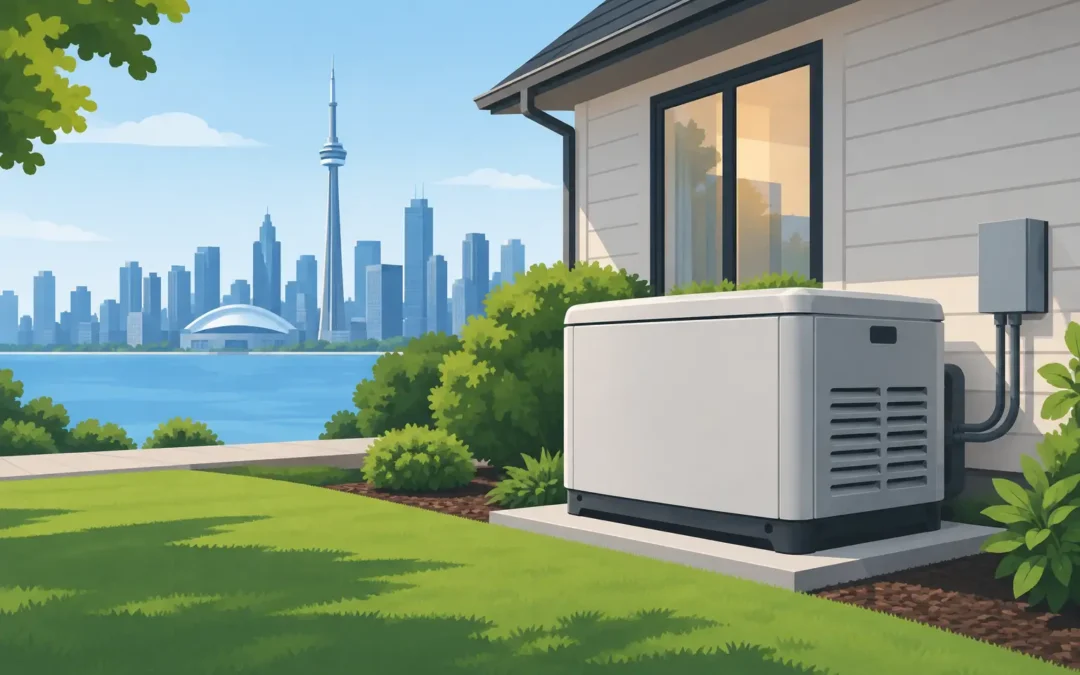
A winter outage is rarely convenient. The furnace stops, the sump pump may be needed most, refrigerated food starts warming up, and a work-from-home setup goes offline. This home standby generator guide explains what homeowners should consider before investing in automatic backup power, from choosing the right size to planning a safe, code-compliant installation.
A standby generator is not the same as a portable unit rolled out after the lights go out. It is permanently installed outside the home, connected through an automatic transfer switch, and supplied by natural gas, propane, or sometimes diesel. When utility power fails, the system detects the outage, starts the generator, and transfers selected circuits or the whole house to backup power. When grid power returns and stabilizes, the system switches back automatically.
Start With What Must Stay Powered
The best generator size is not the biggest unit available. It is the unit that can safely handle the loads you genuinely need, including the heavy starting demand created by motors in equipment such as air conditioners, well pumps, refrigerators, and sump pumps.
For many homeowners, essential backup power means the furnace or boiler, refrigerator, freezer, sump pump, a few lighting circuits, internet equipment, garage door opener, security system, and selected outlets. This approach keeps the generator, fuel demand, and installation scope more manageable. It also prevents one large appliance from overloading the system during an outage.
Whole-home backup is a different decision. It can cover more of the panel, but it requires a more detailed load calculation. Electric heat, electric water heaters, electric dryers, ranges, hot tubs, central air conditioning, and EV chargers can push the required capacity up quickly. A home with gas heat and gas hot water generally has very different backup needs than an all-electric home.
An electrician should review the service size, panel capacity, appliance ratings, and expected loads rather than estimating from square footage alone. The number on a generator nameplate matters, but so does the way your household uses power. A properly planned essential-load system can be a better investment than an oversized whole-home setup that is rarely used to its full potential.
Home Standby Generator Guide: Key System Parts
A dependable installation is a complete system, not just a generator placed beside the house. The generator itself produces power, but several other components determine whether it operates safely and reliably.
The automatic transfer switch is central to the installation. It separates the property from the utility supply during an outage, then connects the backup source. This prevents dangerous backfeeding into utility lines and protects equipment when normal power returns. Never attempt to power a home by connecting a portable or standby generator directly to an outlet or panel without approved transfer equipment.
The electrical panel may also need attention. Older panels, crowded breakers, damaged components, or insufficient service capacity can complicate an installation. In some cases, a panel or service upgrade is the right first step, especially if the homeowner is also adding central air conditioning, an EV charger, or other high-demand equipment.
Fuel supply needs equal planning. Natural gas is a common choice because it does not require refueling during a long outage, provided the gas utility remains available. Propane can be a practical option where natural gas is unavailable, but tank size and refilling arrangements matter. A generator can be electrically perfect and still fail to deliver if the fuel system is undersized or improperly connected.
Choose the Right Location Before Ordering Equipment
Generator placement affects safety, noise, maintenance access, and the final cost of the project. The unit needs a stable base, sufficient clearance from doors, windows, vents, and combustible materials, and space for technicians to service it. Exhaust must not be directed toward occupied areas or drawn into the home.
Local rules, manufacturer instructions, and site conditions all apply. A narrow side yard, close neighboring homes, landscaping, drainage paths, and snow accumulation can change the best location. It is worth walking the property with a qualified contractor before choosing a model or pouring a pad.
Noise is another practical consideration. Modern standby generators are significantly quieter than many portable units, but they are not silent. Placement can reduce the impact on bedrooms, patios, and nearby properties. Avoid treating noise as an afterthought, particularly in dense Toronto and GTA neighborhoods.
Permits, Electrical Safety, and Licensed Work
A standby generator installation involves more than plugging in a machine. It may require electrical permits, inspection, transfer-switch wiring, panel modifications, grounding and bonding work, and coordination with a licensed gas professional where applicable. Requirements vary by location and installation type.
This is not a DIY project. Incorrect transfer equipment, improper conductor sizing, poor grounding, or unsafe fuel connections can create fire, shock, carbon monoxide, and equipment-damage risks. It can also affect insurance coverage and cause problems during a home sale.
A professional installation should begin with a site assessment and clear scope of work. Homeowners should understand what is included: the generator and transfer switch, pad preparation, electrical connections, fuel work, permits, panel upgrades if required, startup, testing, and ongoing maintenance. A low initial quote may not be a low total cost if it excludes necessary site work or electrical upgrades.
Plan for Maintenance Before the First Outage
Standby generators are designed to sit ready for months, which makes regular maintenance essential. Most units run an automatic exercise cycle on a schedule. That test confirms the generator can start, but it is not a replacement for professional service.
Maintenance intervals vary by manufacturer, usage, and fuel type. Typical service includes checking engine oil, filters, battery condition, spark plugs where applicable, electrical connections, enclosure condition, and error codes. Technicians should also test the transfer switch and verify that the generator carries an appropriate load.
Homeowners can help by keeping the area around the generator clear of leaves, snow, stored materials, and vegetation. Do not stack patio furniture, bins, or garden supplies against the enclosure. After a storm, check for visible damage, blocked vents, or standing water around the pad.
If the system reports a warning or fails an exercise cycle, address it promptly. Waiting until an extended outage is the most expensive time to discover a weak battery, fuel issue, or transfer-switch fault.
Questions to Ask Before You Approve the Work
Before moving ahead, ask the contractor which circuits or appliances the system is designed to power and whether load management is included. Confirm the generator’s fuel source, expected runtime, maintenance schedule, warranty terms, permit responsibilities, and how emergency service is handled if the system fails.
It is also useful to ask about future changes. If you expect to add an EV charger, finish a basement, install a heat pump, or convert more appliances to electric, mention it during the planning stage. Your current generator may still be the right choice, but the electrical design should account for where the home is headed.
For commercial properties, the same thinking applies with added attention to life-safety loads, refrigeration, network equipment, tenant operations, and business continuity. A small business may not need every circuit online, but it may need point-of-sale equipment, lighting, security, and critical mechanical systems available without interruption.
A standby generator is most valuable when it has been sized for real priorities, installed correctly, and maintained before an emergency occurs. If you are considering backup power for a home or property in Toronto or the GTA, a site assessment from a licensed electrical contractor can turn a vague plan into a safe, dependable system that is ready when the grid is not.