
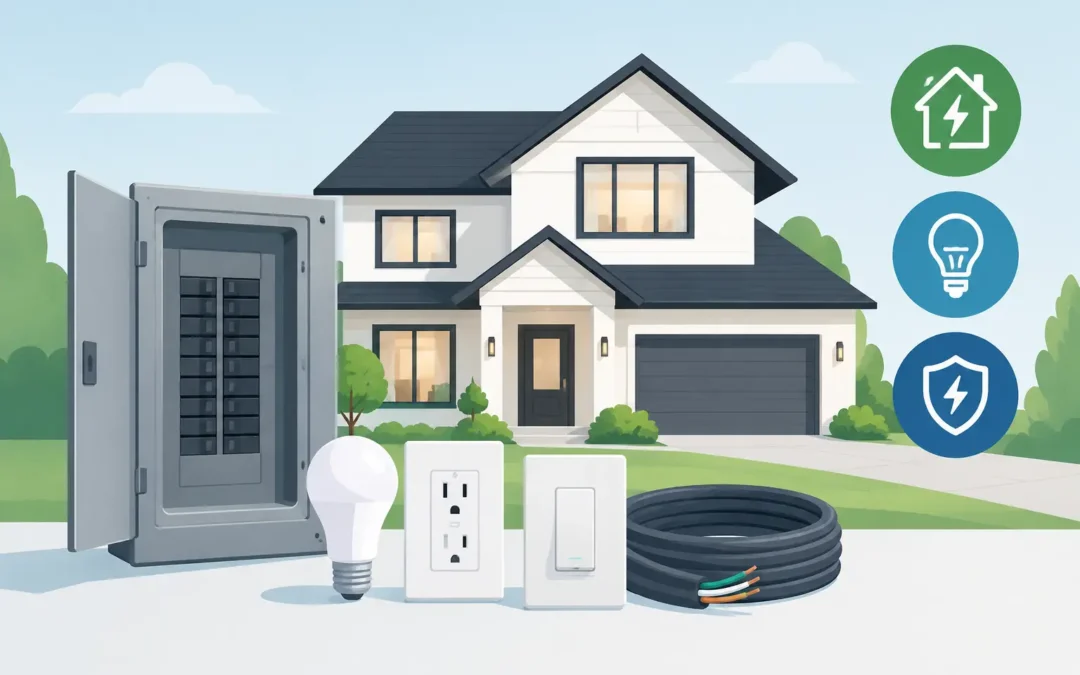
A dated electrical panel, loose outlets, or rooms with poor lighting can make buyers question a property before an inspection even begins. The best electrical upgrades for resale are not always the most expensive ones. They are the upgrades that remove safety concerns, support modern living, and show buyers that the home has been properly maintained.
For homeowners preparing to sell in Toronto, the GTA, or surrounding communities, electrical work should be planned around buyer confidence and practical value. A licensed electrician can identify which issues need attention before listing and which upgrades are unlikely to change the sale price.
Start With Electrical Safety and Visible Deficiencies
Safety-related electrical problems should be addressed before cosmetic improvements. Buyers, agents, and home inspectors pay attention to obvious warning signs: cracked receptacles, ungrounded outlets, exposed wiring, overloaded power bars, flickering lights, and breakers that trip without a clear reason.
These repairs may not create a dramatic feature for a listing description, but they prevent a much larger problem during the inspection or final negotiation. A buyer who sees several small electrical issues may assume there are bigger hidden concerns behind the walls.
Older homes deserve particular attention. Two-prong outlets, aging knob-and-tube wiring, aluminum branch wiring, or improvised basement wiring can all affect a buyer’s willingness to proceed. The right solution depends on the condition of the home, local requirements, and the scope of the issue. Full rewiring is not always necessary, but an inspection by a licensed electrician gives you a clear picture before you list.
Best Electrical Upgrades for Resale: Modernize the Panel
An electrical panel upgrade is one of the strongest resale improvements when the existing panel is undersized, outdated, damaged, or unable to support current household demand. Buyers want to know that the home can handle central air conditioning, kitchen appliances, home-office equipment, finished-basement loads, and future upgrades without constant breaker trips.
A clean, clearly labeled panel also makes a good first impression during an inspection. It signals that the electrical system has been treated as a functional part of the property, not ignored until something failed.
That said, a panel upgrade should solve a real limitation. Replacing a properly functioning, adequately sized modern panel solely for appearance may not return its full cost. It makes more sense when you need additional circuit capacity, are adding high-demand equipment, or have an older service that concerns insurers and buyers.
Service upgrades can be especially valuable in older properties with limited amperage. More capacity may support an electric range, dryer, heat pump, EV charger, or future renovation. This is a larger project, so it is worth discussing the home’s present load and likely buyer expectations with a qualified electrician before committing.
Add Grounded, Convenient Outlets Where People Need Them
Buyers notice whether outlets match the way people actually use a home. Older houses often have too few receptacles in bedrooms, living rooms, hallways, and finished basements. Extension cords running across floors are not only inconvenient. They suggest the electrical layout has not kept up with the property.
Adding properly placed grounded outlets can improve daily usability without turning the job into a full renovation. Kitchens, bathrooms, laundry areas, garages, outdoor spaces, and unfinished basements should receive special attention because these locations have specific protection requirements.
Ground-fault circuit interrupter, or GFCI, protection is a practical upgrade in areas exposed to moisture. Bathroom and kitchen counter outlets, garage receptacles, exterior outlets, and similar locations should be assessed for proper protection. Buyers may not use the term GFCI during a viewing, but inspectors will look for it.
USB charging receptacles can be useful in a kitchen, home office, or primary bedroom, though they are a secondary improvement. Do not prioritize specialty outlets over correcting ungrounded receptacles, poor wiring connections, or missing safety protection.
Improve Lighting Before Spending on Decorative Fixtures
Good lighting helps rooms feel cleaner, larger, and more usable. It is one of the most cost-effective electrical improvements because it influences photography, showings, and everyday function at the same time.
Replace flickering fixtures, mismatched bulbs, and outdated lights that leave corners dark. Choose bright, even LED lighting in kitchens, bathrooms, hallways, stairways, and utility areas. A consistent color temperature throughout the home creates a more intentional look. For most resale-focused projects, neutral white lighting works well without making living spaces feel harsh.
Recessed lighting can add value in rooms that genuinely need better general lighting, particularly kitchens, basements, and living areas with low-profile ceilings. But it should be installed thoughtfully. Too many recessed lights can look excessive, and installation may not be worthwhile if a room already has adequate lighting.
Exterior lighting deserves attention as well. A working front entry light, illuminated house number, garage lighting, and a safe path from driveway to door improve curb appeal and security. Motion-sensor lighting around side entrances and rear yards can be a sensible addition when installed in appropriate locations.
Make the Kitchen, Bath, and Laundry Ready for Modern Use
Buyers tend to focus on rooms with the most electrical demand. A kitchen that relies on overloaded counter circuits or a laundry area with questionable connections can raise concerns quickly.
Before listing, make sure appliances are on appropriate dedicated circuits where required and that receptacles are secure and properly protected. If you are renovating before sale, include enough counter outlets and practical lighting from the start. An attractive kitchen loses credibility if the electrical work looks improvised.
Bathroom upgrades should focus on safe, functional lighting and properly protected outlets. A well-lit vanity and an exhaust fan that operates correctly are small details that support a better showing experience. In laundry areas, confirm that the dryer connection and receptacle type match the equipment and that the area is free of exposed or damaged wiring.
Consider an EV Charger Only When It Fits the Property
An EV charger can be a meaningful selling feature, especially for homes with a garage, driveway parking, or a buyer pool likely to own electric vehicles. It is more appealing when it is a permanent, professionally installed charging solution with enough electrical capacity to operate safely.
The value depends on the neighborhood and property type. A charger is often more compelling in a detached home with private parking than in a condo or a property where parking arrangements are limited. If an installation requires a significant service upgrade, weigh the cost against local market expectations. Sometimes preparing the panel or conduit for future charging is the more practical choice.
Use Smart Controls Carefully
Smart switches, programmable timers, dimmers, and occupancy sensors can make a home feel current without major construction. They work particularly well for exterior lights, bathroom fans, basement lighting, and frequently used living spaces.
Keep the system simple. A buyer should be able to turn on lights normally, even if they never connect an app. Complex, brand-specific smart-home setups can create confusion during handover, while straightforward controls provide convenience without adding a learning curve.
Dimmers are often a better resale choice than expensive smart features in dining rooms, bedrooms, and living rooms. They add flexibility, are familiar to most buyers, and complement upgraded LED fixtures.
Avoid Upgrades That Do Not Match the Home
Not every electrical project produces the same return. High-end landscape lighting, extensive home automation, specialty audio wiring, and elaborate decorative fixtures can be worthwhile for personal enjoyment, but they do not always increase a buyer’s offer enough to justify the cost.
The same applies to upgrading electrical capacity far beyond what the home and neighborhood support. Focus first on safety, code-compliant repairs, sufficient capacity, useful outlets, and quality lighting. These improvements appeal to the widest range of buyers because they address real concerns instead of personal taste.
If you are unsure where to invest, schedule an electrical assessment before putting the property on the market. Eclipse Electrical Services can identify visible deficiencies, capacity concerns, and practical upgrades that help your home show as safe, functional, and ready for its next owner.
The best time to address electrical work is before photos, open houses, and inspection deadlines begin. A few well-chosen improvements can keep buyers focused on the home itself instead of the work they think they will need to do after closing.