
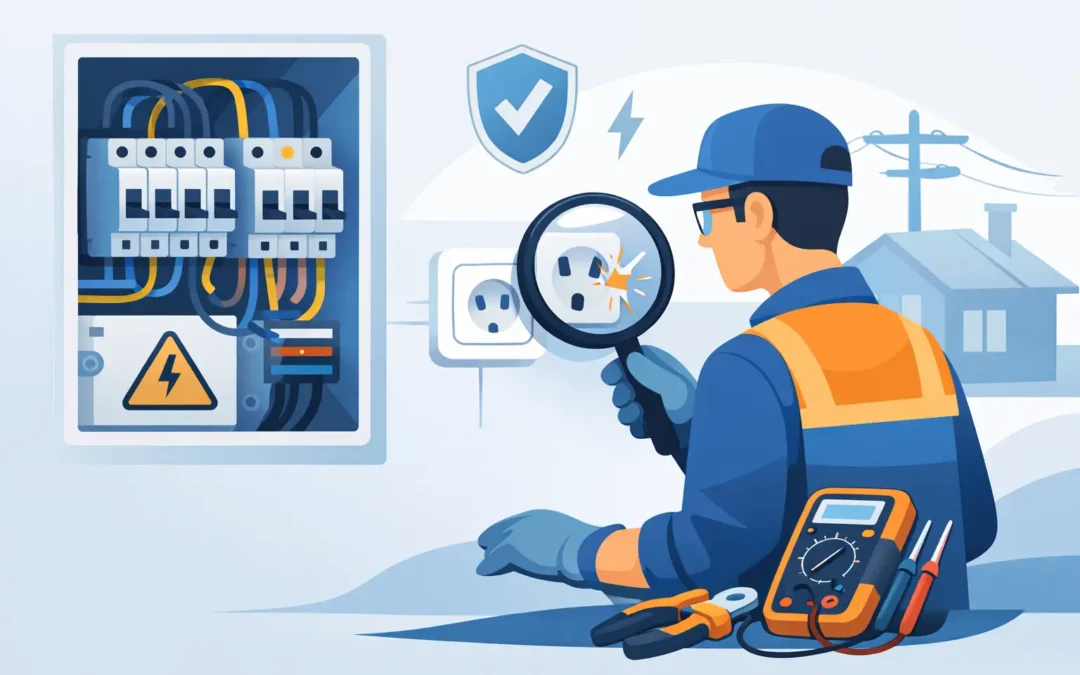
A breaker that keeps tripping, lights that flicker for no clear reason, or an outlet that feels warm to the touch usually means the same thing – something needs attention before it turns into a bigger and more expensive problem. If you have been asking what is electrical safety inspection, the short answer is this: it is a professional check of your electrical system to find hazards, code issues, wear, overloading, and installation defects that could put people or property at risk.
For homeowners, that can mean catching unsafe wiring before it causes damage. For businesses and property managers, it can mean avoiding downtime, failed compliance checks, tenant complaints, or preventable fire risks. The value of an inspection is not just in finding obvious defects. It is in spotting the issues that are easy to miss until they create real trouble.
What Is Electrical Safety Inspection and What Does It Cover?
An electrical safety inspection is a systematic review of the parts of your electrical system that affect safe operation. That usually includes the main panel, breakers, wiring, outlets, switches, grounding, bonding, light fixtures, safety devices, and any visible signs of damage or improper work. In commercial and industrial settings, it may also include disconnects, distribution equipment, emergency lighting, dedicated circuits, and equipment connections.
The goal is straightforward: identify conditions that are unsafe, non-compliant, overloaded, deteriorated, or poorly installed. A licensed electrician is not just looking for whether the power works. Plenty of unsafe systems still power a building just fine right up until the moment they fail.
That is why inspections matter after renovations, before buying or leasing a property, after flood or fire damage, when adding new equipment, or when an older building starts showing warning signs. A proper inspection gives you a clearer picture of the system you are relying on every day.
What an Electrician Actually Checks
A good inspection is practical, not vague. The electrician will usually start with the service panel because that is where many safety issues show up first. They check for signs of overheating, corrosion, loose connections, improper breaker sizing, double-tapped breakers, outdated components, poor labeling, and panel capacity issues.
From there, the inspection often moves through circuits and devices. Outlets and switches are checked for damage, wear, loose mounting, improper polarity, and signs of overheating. GFCI and AFCI protection may also be reviewed where required or recommended. In kitchens, bathrooms, basements, garages, and outdoor areas, this matters a lot because these spaces carry higher shock risk.
Wiring condition is another major part of the job. If accessible, the electrician looks for damaged insulation, exposed conductors, amateur modifications, overloaded extension use, and wiring methods that do not match the application. In older properties, they may also flag aging materials, outdated configurations, or service equipment that no longer suits the building’s demand.
For commercial spaces, the scope can go further. Emergency lighting, exit sign circuits, tenant improvements, equipment feeds, and load distribution may all need review. In an industrial setting, inspections may also focus on heavy-use circuits, disconnecting means, motor-related equipment, and signs of wear caused by heat, vibration, or production demands.
Why Electrical Safety Inspections Matter
Electrical problems do not always announce themselves clearly. Some do, like sparking, buzzing, burning smells, or repeated breaker trips. Others build slowly in the background. A loose connection can heat up over time. An overloaded panel may function for a while before failing under heavier use. Poor grounding might not be obvious until there is a fault.
That is the practical reason inspections matter. They help catch hidden risks early, when repairs are usually simpler and less disruptive. They also help you make better decisions about upgrades. If you are planning a renovation, adding an EV charger, installing new equipment, or taking over a commercial unit, you want to know whether the existing system can handle the load.
There is also a compliance angle. Depending on the property type and use, inspections can support insurance requirements, maintenance programs, tenant safety responsibilities, and general due diligence. It depends on the building, the occupancy, and what work has been done, but waiting until there is a failure is almost always the more expensive route.
When You Should Schedule One
Not every property needs the same inspection schedule, but some situations clearly call for one. If you are buying an older home or commercial building, an electrical safety inspection gives you a better idea of what you are inheriting. That can help you budget properly and avoid surprises after closing.
If you own or manage a rental property, regular inspections can help reduce liability and service calls. Small problems in one unit can become larger building issues if they are ignored. For business owners, an inspection makes sense before opening a new location, after a fit-out, or when adding equipment that changes the load on the system.
You should also schedule an inspection after any event that may have affected the electrical system, including water intrusion, fire, storm damage, or impact damage. Even if the power appears to be working, hidden deterioration may still be present.
And sometimes the trigger is simply age. If the building is older and you do not know when the system was last reviewed, that alone is a fair reason to have it checked.
Common Issues Found During an Inspection
Some inspection findings are minor and inexpensive to fix. Others point to more serious concerns. Frequently discovered issues include loose outlets, damaged switches, missing cover plates, improper grounding, overloaded circuits, deteriorated wiring insulation, and panel labeling problems.
In older properties, electricians may find outdated panels, undersized services, unprotected circuits in areas where safety devices are needed, or previous repair work that was done poorly. In commercial spaces, it is not unusual to see additions made over time without a full look at overall load balance or future capacity.
This is where a practical electrician is valuable. Not every issue means a full rewiring job. Sometimes the right answer is a targeted repair, a breaker correction, a device replacement, or a panel upgrade. The point of the inspection is to separate urgent hazards from routine improvements so you can address the right things in the right order.
What Is Electrical Safety Inspection for Homeowners vs. Businesses?
The core purpose is the same, but the priorities can differ.
For homeowners, the focus is usually personal safety, fire prevention, and making sure the system can support everyday living without nuisance problems. If you are remodeling a kitchen, finishing a basement, or adding high-demand equipment, an inspection can tell you whether your panel and circuits are ready for that change.
For businesses, the concern often extends beyond safety alone. A hidden electrical issue can interrupt operations, affect staff productivity, damage equipment, or create problems with tenants and customers. In offices, retail units, restaurants, warehouses, and light industrial spaces, reliability matters just as much as compliance.
That is why many commercial clients treat inspections as part of risk management, not just maintenance. It is easier to schedule corrective work on your terms than deal with an outage during business hours.
What Happens After the Inspection
Once the inspection is complete, you should have a clear understanding of any issues found, how serious they are, and what should happen next. A dependable contractor will explain the findings in plain language. You should know what needs immediate repair, what can be planned, and what may be worth upgrading even if it is not yet a hazard.
This is also where experience matters. The cheapest answer is not always the best one, but the biggest repair is not always necessary either. Good electrical advice is practical. It takes into account your building, your usage, your budget, and whether the goal is short-term correction or long-term reliability.
For property owners in Toronto and the GTA, that often means working with a licensed contractor who can inspect, repair, upgrade, and respond quickly if a serious issue is found. Eclipse Electrical Services handles that kind of work every day across residential, commercial, and industrial properties.
Choosing the Right Electrician for an Inspection
An electrical safety inspection is only as useful as the person doing it. You want a licensed electrician who understands not just code, but also real-world service conditions in homes, businesses, and mixed-use properties. They should be able to identify hazards, explain them clearly, and recommend work that makes sense.
It also helps to choose a contractor who can move quickly if repairs are needed. If an inspection finds an active safety issue, you do not want to spend days chasing another company to fix it. Fast response, clear communication, and solid workmanship matter just as much as the inspection itself.
If something in your building does not feel right, that is usually reason enough to get it checked. A proper inspection gives you facts, not guesses, and that is often the difference between a small repair now and a major problem later.